
Role of Scrap Chemistry in Sustainable and low CO2 Steel Production
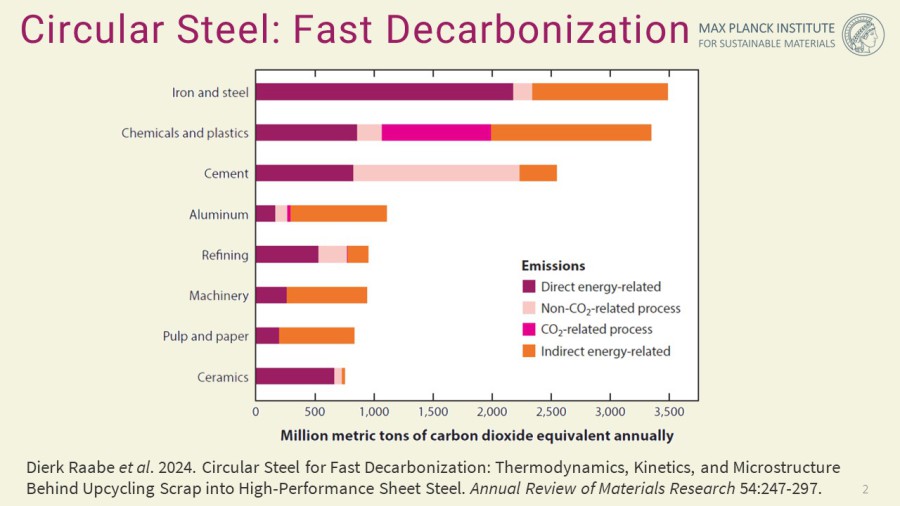 Production of steel constitutes a foundational pillar of modern industrial infrastructure, yet it simultaneously represents one of the most significant sources of anthropogenic carbon dioxide emissions. (Raabe, D., Tasan, C. C., & Olivetti, E. A. (2019).
The global production of steel constitutes a foundational pillar of modern industrial infrastructure, yet it simultaneously represents one of the most significant sources of anthropogenic carbon dioxide emissions. Primary steelmaking, which relies on the blast furnace and basic oxygen furnace route to reduce iron ore using carbon-intensive coke, releases approximately two tons of carbon dioxide for every ton of crude steel produced. This pathway accounts for roughly eight percent of global carbon dioxide emissions.

Steel production accounts for approximately 8% of all global CO2 emissions, with the primary steelmaking route using iron ores contributing approximately 80% of those emissions, mainly due to the use of fossil-based reductants and fuel. Hydrogen-based reduction of iron oxide is an alternative for primary synthesis. However, to counteract global warming, decarbonization of the steel sector must proceed much faster than the ongoing transition kinetics in primary steelmaking. Insufficient supply of green hydrogen is a particular bottleneck. Realizing a higher fraction of secondary steelmaking is thus gaining momentum as a sustainable alternative to primary production.
annurev-matsci-080222-123648.pdf
PDF-Dokument [3.3 MB]
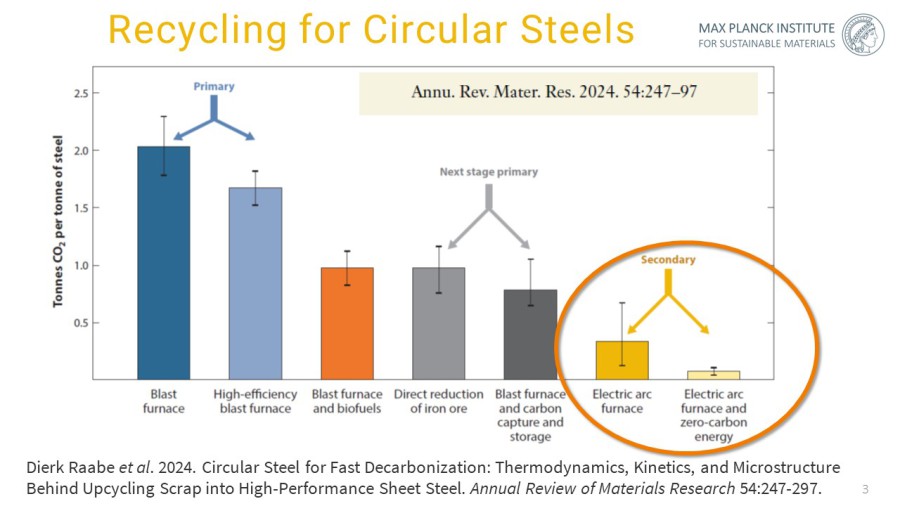 The most immediate and thermodynamically efficient pathway to decarbonize the steel industry is the massive expansion of secondary steelmaking through the recycling of post-consumer scrap in electric arc furnaces. (https://www.annualreviews.org/content/jo
The urgent imperative to decarbonize this sector has driven extensive research into alternative primary synthesis methods, most notably the hydrogen-based direct reduction of iron ore. In this process, green hydrogen is utilized as the reducing agent, yielding water vapor as the primary byproduct. However, the transition kinetics of this primary route are severely constrained by the massive capital expenditure required for infrastructure development and, more critically, by the thermodynamic and energetic limitations of global green hydrogen production. The current and projected availability of sustainably produced hydrogen is orders of magnitude below the requirements of the global steel sector. Consequently, relying exclusively on primary hydrogen-based metallurgy will not achieve the necessary emission reductions within the critical climate stabilization timeframe.
The most immediate and thermodynamically efficient pathway to decarbonize the steel industry is the massive expansion of secondary steelmaking through the recycling of post-consumer scrap in electric arc furnaces. Melting scrap bypasses the carbon-intensive reduction of iron ore entirely, utilizing electrical energy, which can be sourced from renewable grids, to generate the necessary thermal input. This secondary route reduces carbon dioxide emissions by up to ninety percent compared to the primary blast furnace route, while simultaneously conserving natural resources and reducing primary energy consumption. Currently, approximately one-third of global steel production relies on scrap, but as the lifespan of existing steel infrastructure reaches its end, scrap availability is projected to surge, potentially meeting up to seventy percent of total market demand by 2050. This transition necessitates a fundamental shift from primary extraction to urban mining, transforming the steel industry into a circular materials economy.
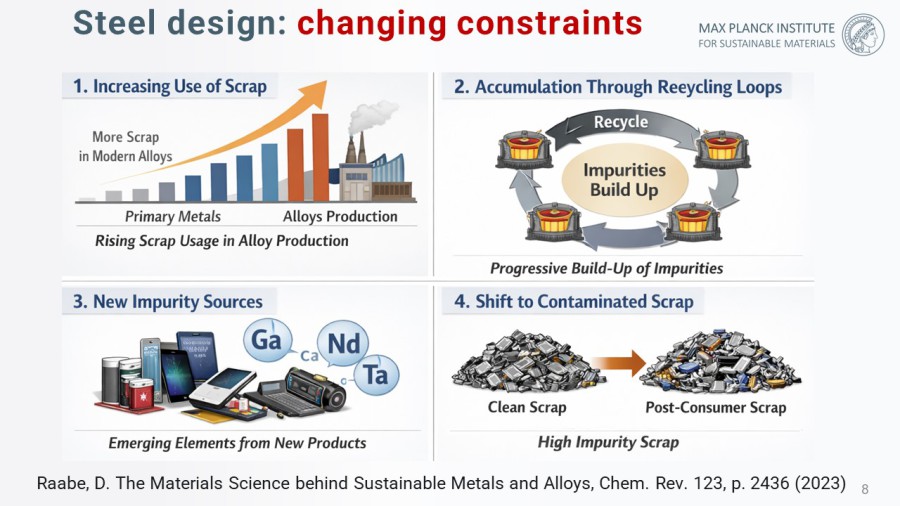 Despite the clear environmental and energetic advantages of secondary steelmaking, the metallurgical reality of utilizing post-consumer scrap presents profound scientific challenges.
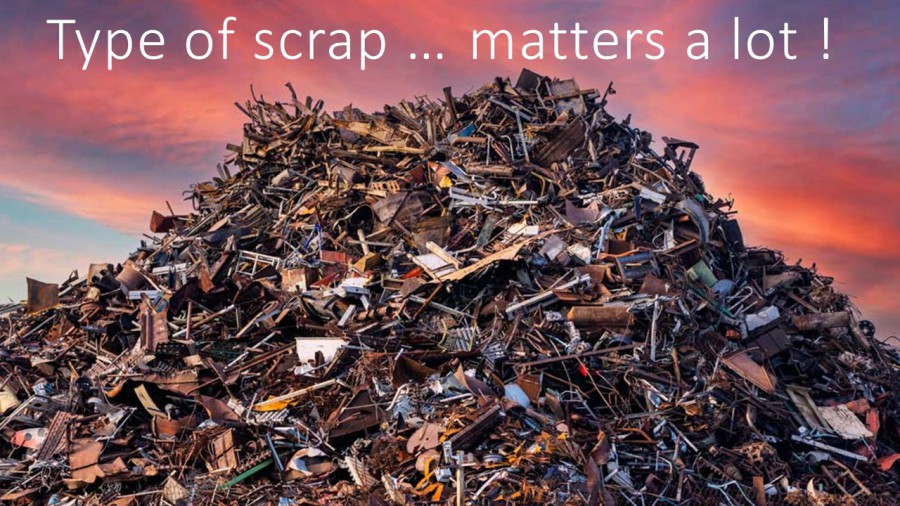
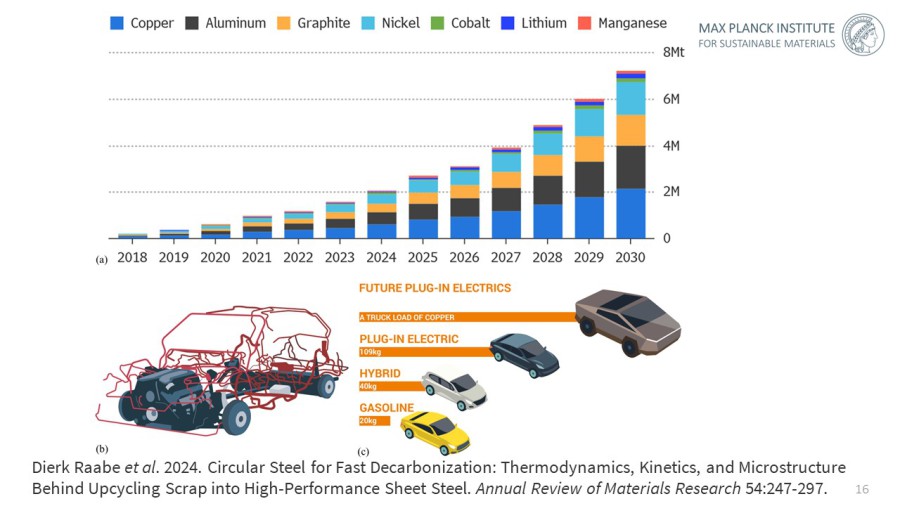
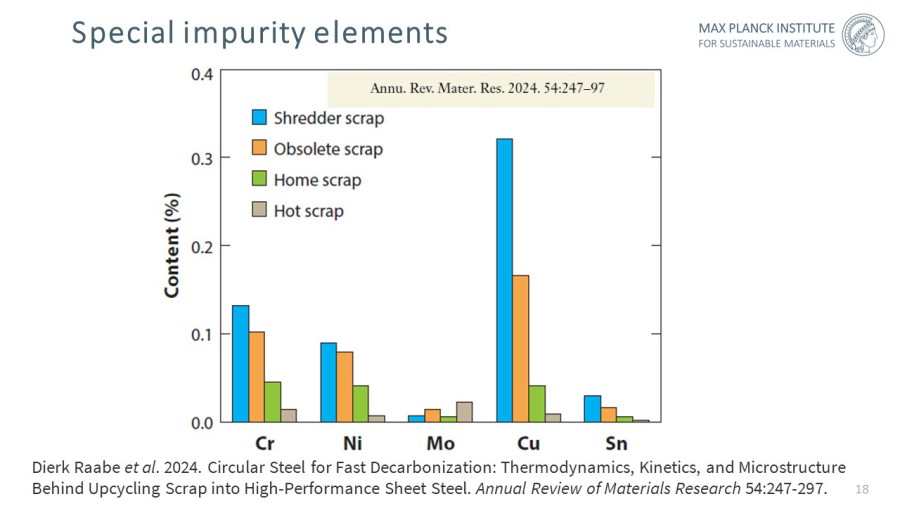
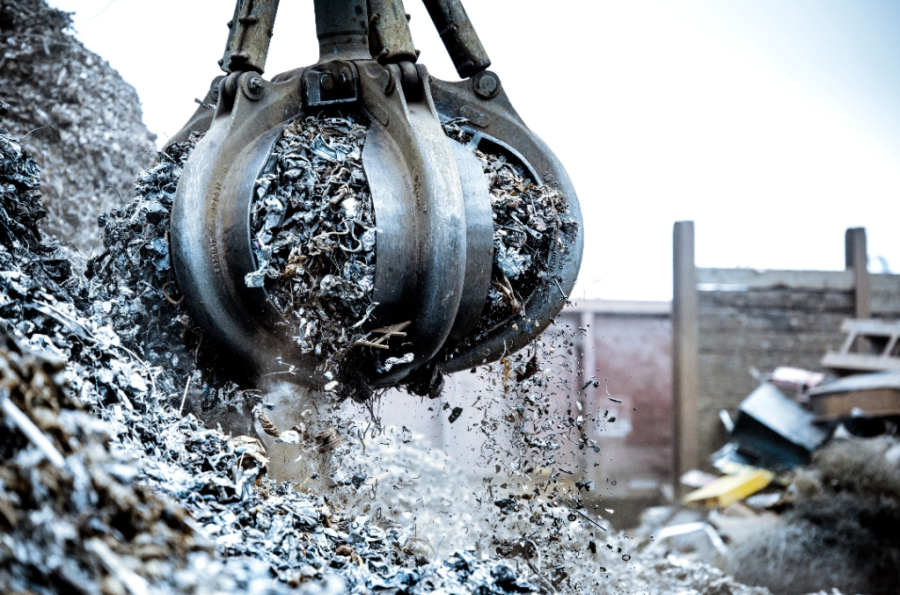
Despite the clear environmental and energetic advantages of secondary steelmaking, the metallurgical reality of utilizing post-consumer scrap presents profound scientific challenges. While the production of long products, such as construction rebar and railway rails, can readily accommodate the chemical variability of mixed scrap, the production of high-performance sheet steels is severely constrained by chemical contamination. Post-consumer scrap is a highly heterogeneous feedstock, containing the accumulated chemical legacy of modern multi-material assemblies. When a complex structure, such as an end-of-life vehicle, is shredded, the resulting scrap stream contains a chaotic mixture of advanced high-strength steel grades, alongside non-ferrous components including copper wiring, aluminum castings, zinc coatings, and electronic components. This mechanical mixing introduces a diverse spectrum of alloying and impurity elements into the electric arc furnace melt.
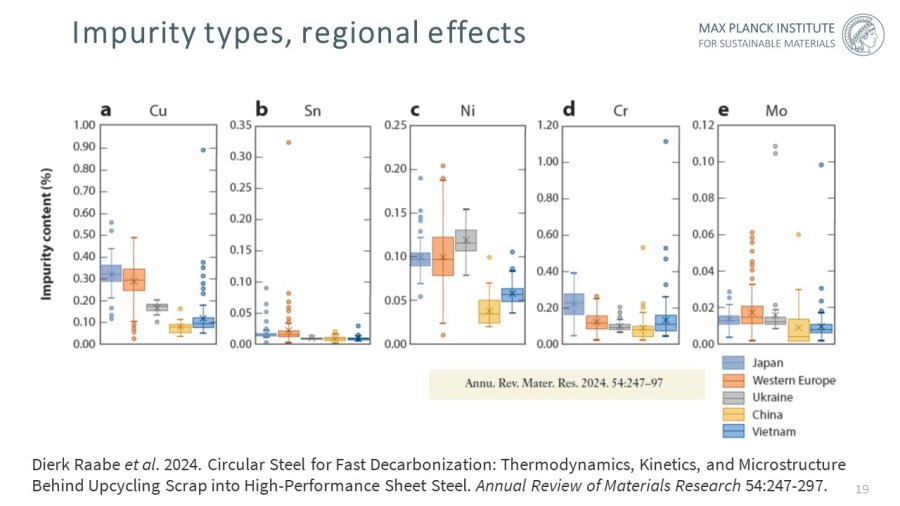
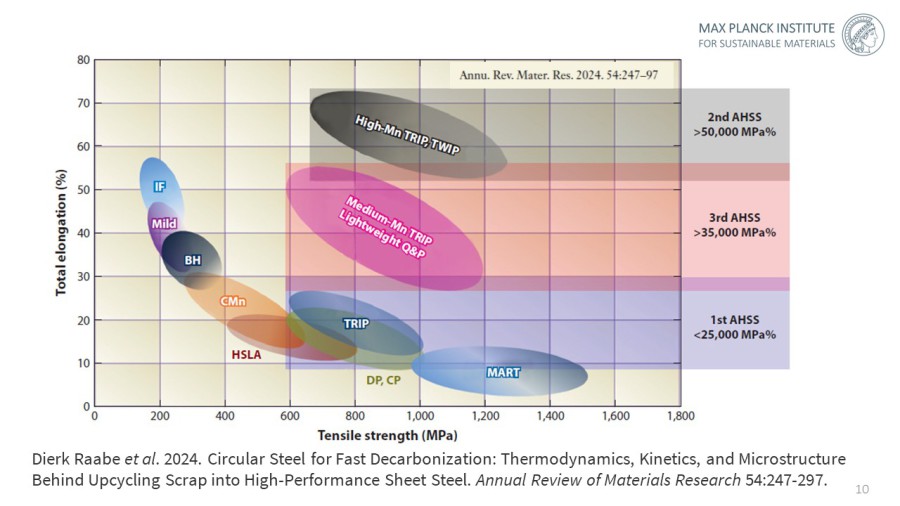 Different steel react very differently to scrap-related contamination with impurities: https://www.annualreviews.org/content/journals/10.1146/annurev-matsci-080222-123648
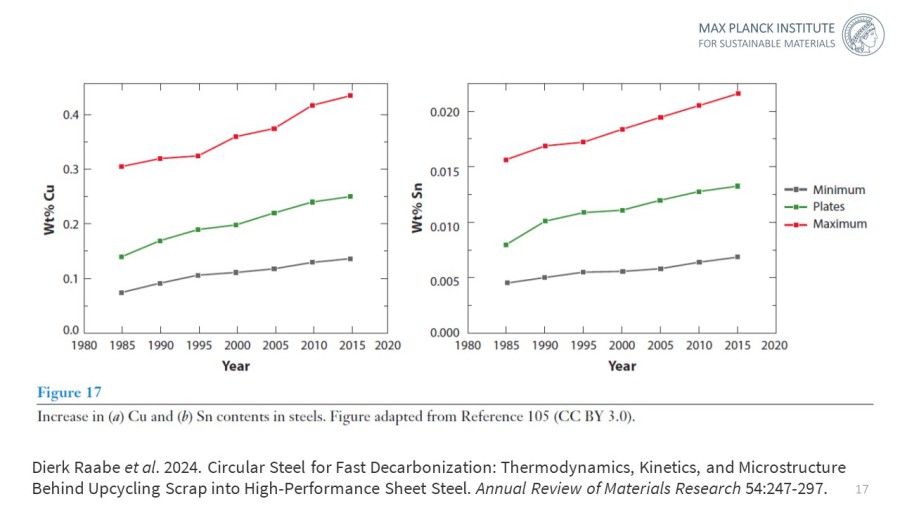
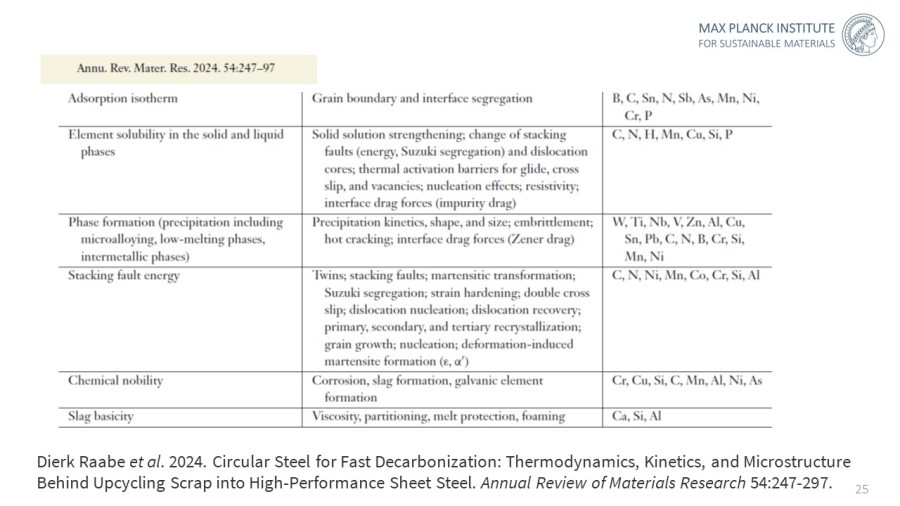
In primary steelmaking, the chemical composition of the liquid steel is precisely controlled through the intentional addition of specific alloying elements to a relatively pure pig iron base. In secondary steelmaking from mixed scrap, the initial chemical composition is dictated by the random batch of scrap being processed. This leads to the inevitable accumulation of what metallurgists classify as tramp elements or impurities. These elements are categorized based on their thermodynamic behavior in the liquid steel melt and their affinity for oxygen and slag. Elements such as silicon, aluminum, and manganese can be readily oxidized and removed into the slag phase due to their higher affinity for oxygen compared to iron. Elements like zinc and lead possess high vapor pressures and can be volatilized and removed into the exhaust gas system under high-temperature or vacuum conditions. However, elements such as copper, tin, nickel, chromium, and molybdenum are chemically noble relative to iron. Their affinity for oxygen is lower than that of the iron matrix, meaning they cannot be oxidized and removed into the slag under standard steelmaking conditions. Furthermore, their low vapor pressures preclude removal via vacuum degassing. Consequently, these noble tramp elements are permanently trapped in the liquid metal and inevitably accumulate in the global steel stock with every subsequent recycling cycle.
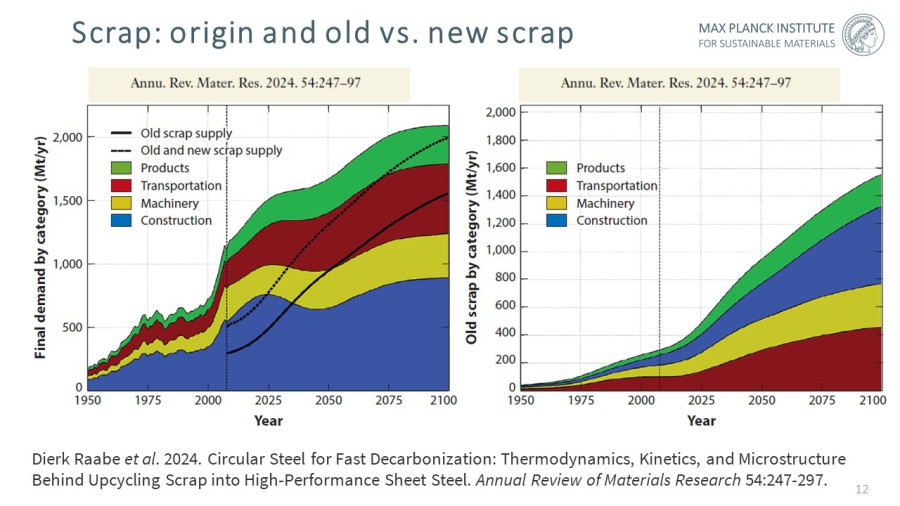 When a complex structure, such as an end-of-life vehicle, is shredded, the resulting scrap stream contains a chaotic mixture of advanced high-strength steel grades, alongside non-ferrous components including copper wiring, aluminum castings, zinc coatings
The presence of these accumulated tramp elements fundamentally alters the thermodynamics, kinetics, and microstructural evolution of the steel during both solidification and subsequent thermo-mechanical processing. To understand the distribution of these impurities in the solid state, it is necessary to examine the solidification kinetics of the multi-component liquid alloy. As the molten steel solidifies in the continuous caster, it forms a complex dendritic microstructure. The redistribution of solute elements during this phase transformation is governed by the partition coefficient, which dictates the ratio of solute concentration in the solid phase to that in the liquid phase at the solid-liquid interface. For elements like copper, tin, and manganese, the partition coefficient is less than one, meaning they are rejected by the advancing solid dendrite and pushed into the remaining interdendritic liquid.
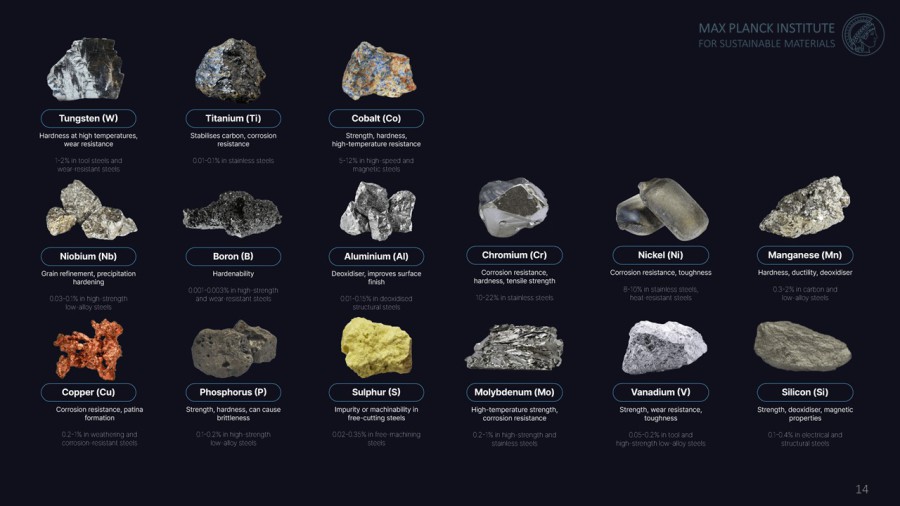
This solute redistribution is accurately described by the Scheil-Gulliver model, which assumes infinitely fast diffusion in the liquid phase and zero diffusion in the solid phase. According to this model, the final drops of liquid to solidify, trapped between the dendrite arms, become highly enriched in these rejected solutes. Even if the bulk chemical analysis of the continuously cast billet indicates a nominal copper content of 0.2 weight percent, the microscopic interdendritic regions may locally contain several percent copper. While classical Scheil simulations provide a first-order approximation, they fail to account for the back-diffusion of fast-diffusing interstitial elements like carbon, or the limited back-diffusion of substitutional elements over extended cooling periods. Advanced kinetic modeling, utilizing mobility databases coupled with thermodynamic databases, demonstrates that the diffusion kinetics of substitutional tramp elements like copper and tin are too sluggish to achieve complete homogenization during standard cooling rates. The result is a solid steel slab characterized by severe microsegregation, creating a highly inhomogeneous chemical landscape at the scale of the secondary dendrite arm spacing.
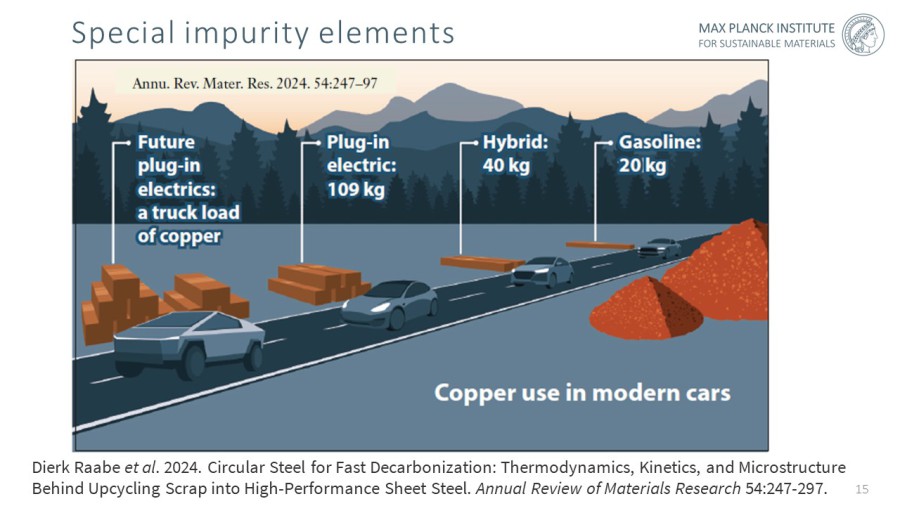 Elements such as copper, tin, nickel, chromium, and molybdenum are chemically noble relative to iron. Their affinity for oxygen is lower than that of the iron matrix, meaning they cannot be oxidized and removed into the slag under standard steelmaking con
This microsegregation sets the stage for one of the most detrimental phenomena in steel processing: surface hot shortness, or hot cracking. When the continuously cast slab is reheated to approximately 1200 degrees Celsius for hot rolling, the steel surface reacts with the oxygen in the furnace atmosphere, forming a multi-layered iron oxide scale consisting of hematite, magnetite, and wüstite. Because copper is chemically nobler than iron, it does not oxidize. As the iron beneath the scale oxidizes and grows outward, the copper is left behind, becoming highly concentrated at the interface between the oxide scale and the underlying steel matrix. Thermodynamic calculations indicate that at 1200 degrees Celsius, the maximum solubility limit of copper in the face-centered cubic austenite phase is approximately nine weight percent. In the microsegregated subsurface zones, or due to the continuous enrichment at the scale interface, the local copper concentration can easily exceed this thermodynamic limit.
The accelerated demand for structural (that is, load-bearing) alloys in key sectors such as energy, construction, safety and transportation is resulting in predicted production growth rates of up to 200 per cent until 2050. Yet most of these materials require a lot of energy when extracted and manufactured and these processes emit large amounts of greenhouse gases and pollution. Here we review methods of improving the direct sustainability of structural metals, in areas including reduced-carbon-dioxide primary production, recycling, scrap-compatible alloy design, contaminant tolerance of alloys and improved alloy longevity. We discuss the effectiveness and technological readiness of individual measures and also show how novel structural materials enable improved energy efficiency through t
Raabe_et_al-2019-Nature.pdf
PDF-Dokument [2.2 MB]
When the solubility limit is exceeded, the copper undergoes a phase transformation, melting into a liquid film. This liquid copper phase is highly mobile and, driven by the massive mechanical stresses applied during the hot rolling process, penetrates the austenite grain boundaries via capillary action. Because the melting point of pure copper is 1080 degrees Celsius, it remains liquid at the rolling temperature. This liquid metal effectively dissolves the atomic bonds holding the austenite grains together, causing the steel to shatter and crack along the surface. The resulting product is covered in a network of deep, intergranular surface cracks, rendering it entirely useless for high-quality sheet steel applications. The presence of other tramp elements, particularly tin and antimony, severely exacerbates this phenomenon. Thermodynamic modeling reveals that tin reduces the solubility limit of copper in austenite and simultaneously lowers the melting temperature of the copper-rich phases. This synergistic effect means that a steel melt that might barely tolerate a certain concentration of copper alone will fail catastrophically when tin or antimony is also present, as the liquid film forms more readily and at lower temperatures.
To mitigate the detrimental effects of copper-induced hot shortness, metallurgical strategies must alter the thermodynamic environment or the solidification kinetics to prevent the formation of a continuous liquid film at the grain boundaries. One highly effective alloying strategy is the addition of silicon. Silicon has a higher affinity for oxygen than iron, but it forms a complex, porous oxide scale. As the iron oxidizes, the copper enriches at the interface, but the porous nature of the silicon-rich oxide allows the copper to be occluded and physically pulled up into the scale matrix itself, rather than forming a continuous liquid film at the underlying grain boundaries. The silicon essentially acts as a physical trap, sequestering the copper and preventing grain boundary penetration. Another powerful thermodynamic lever is the co-addition of nickel. Nickel is a strong austenite stabilizer that significantly expands the face-centered cubic phase field. By expanding the austenite phase field, nickel increases the maximum solubility limit of copper in the solid steel matrix at high temperatures. If the solubility limit is raised above the local concentration of the enriched copper, the copper will remain in solid solution and will never precipitate as a liquid film, completely eliminating the mechanism of hot shortness.
Beyond chemical alloying, the modification of solidification kinetics offers a profound solution to the hot shortness problem. The implementation of near-net-shape casting technologies, such as thin-slab casting or twin-roll strip casting, subjects the liquid steel to extremely high cooling rates, solidifying the melt in a matter of milliseconds. This rapid solidification fundamentally alters the kinetics of solute redistribution. The dendrites do not have the time to grow large, and the microsegregation of copper and tin is confined to the nanometer scale. Instead of forming a continuous, detrimental liquid film at the grain boundaries during reheating, the copper is trapped as a highly dispersed population of nanometer-sized precipitates within the solid matrix. When the steel is subsequently reheated and hot-rolled, these nano-precipitates do not melt into a continuous film. Furthermore, if the thermal history is controlled correctly, these copper nano-precipitates can act as a potent precipitation hardening mechanism, pinning dislocations and grain boundaries, thereby increasing the strength of the steel without sacrificing surface quality. By manipulating the solidification kinetics, the metallurgist can transform a detrimental tramp element into a beneficial microstructural feature.
The damage inflicted by tramp elements does not end at the hot rolling mill; it persists into the solid state, exerting a silent, insidious influence on the microstructure during cold rolling and annealing operations. Elements like tin, antimony, and arsenic possess a strong thermodynamic driving force to segregate to interfaces. According to the interfacial decohesion hypothesis, the segregation of large, noble atoms to grain boundaries significantly reduces the cohesive strength of the boundary. These atoms act as atomic wedges, prying the grains apart and causing severe intergranular embrittlement. This grain boundary embrittlement is particularly devastating for advanced high-strength sheet steels, such as interstitial-free steels, which are utilized for deep-drawing automotive panels. In these steels, the carbon and nitrogen contents are reduced to ultra-low levels, and the remaining interstitial atoms are intentionally tied up as stable carbides or nitrides using microalloying elements like titanium or niobium to prevent strain aging. However, by removing the free carbon and nitrogen from the solid solution, the elements that naturally compete for grain boundary sites are also removed. In a standard steel, carbon and nitrogen can passivate the grain boundaries, blocking the segregation of tramp elements. In an interstitial-free steel, the grain boundaries are left unpassivated and highly vulnerable. Tin and antimony atoms rapidly migrate to these boundaries, causing severe intergranular fracture during forming operations.
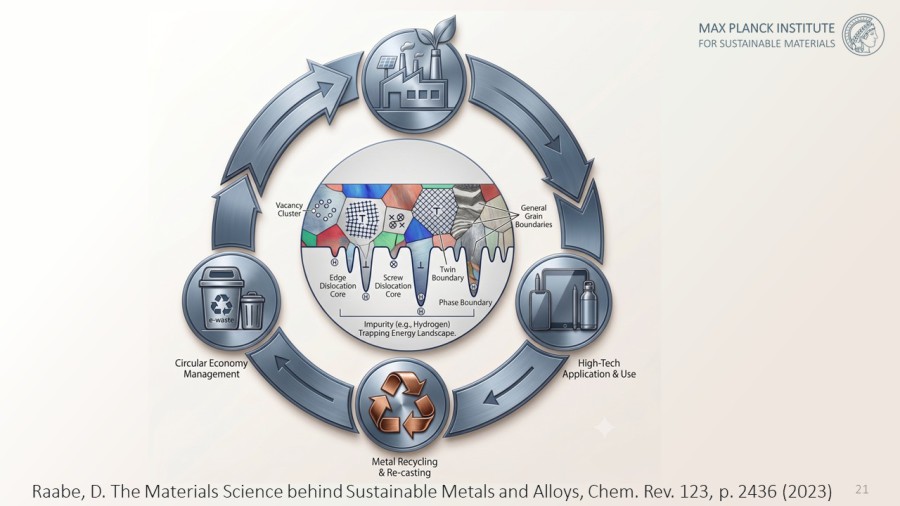
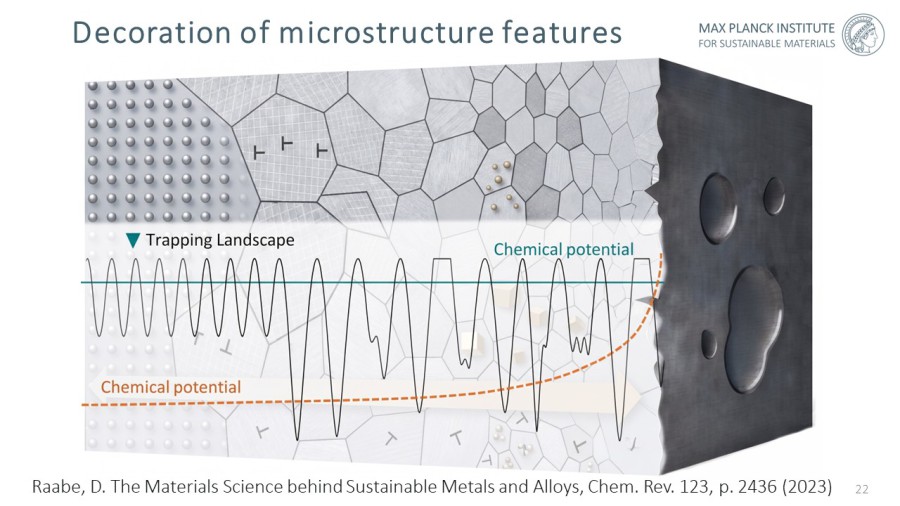
Furthermore, the segregation of these impurities fundamentally alters the crystallographic texture of the steel sheet. The deep-drawing quality of a steel sheet is heavily dependent on its crystallographic texture, specifically the alignment of the crystal grains. A high volume fraction of grains with their {111} planes aligned parallel to the sheet surface provides excellent resistance to thinning during deep drawing, a property quantified by high Lankford r-values. However, the segregation of tin and antimony at the grain boundaries disrupts the primary static recrystallization process. The impurity drag effect suppresses the nucleation and growth of the desirable {111} texture components and instead promotes the growth of {100} and {110} texture components. This complete alteration of the crystallographic texture ruins the formability of the sheet, making it prone to earing and tearing during the stamping of complex automotive parts.
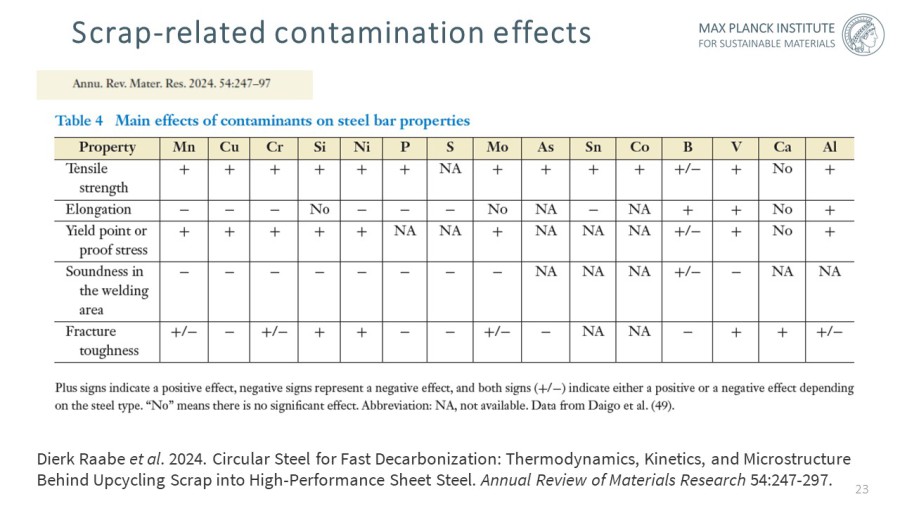
The impact of tramp elements extends deep into the thermodynamics and kinetics of solid-state phase transformations. Advanced high-strength steels rely on a delicate balance of microstructural constituents, such as soft ferrite for ductility, and hard phases like martensite, bainite, or retained austenite for strength. The formation of these phases is governed by continuous cooling transformation diagrams, which are exquisitely sensitive to chemical composition. Impurities like chromium, molybdenum, and manganese profoundly alter these kinetics. They exert a solute drag effect on the migrating austenite-ferrite and austenite-bainite interfaces, shifting the pearlite and bainite transformation noses to longer times and lower temperatures. This effectively widens the transformation-inert region and increases the hardenability of the steel. While increased hardenability might appear beneficial in isolation, in the context of recycled scrap with unpredictable, charge-to-charge variations in impurity content, it introduces severe process instability. A slight fluctuation in the molybdenum or chromium content from one scrap batch to the next can completely alter the critical cooling rate required to form martensite. This means that a heat treatment protocol perfectly calibrated to produce a dual-phase steel with a specific tensile strength might suddenly produce a fully martensitic, brittle sheet, or conversely, a soft, low-strength ferritic sheet. The inability to predict and control the phase transformation kinetics due to tramp element variability makes it nearly impossible to guarantee the mechanical properties of high-performance sheet steels produced from mixed scrap.
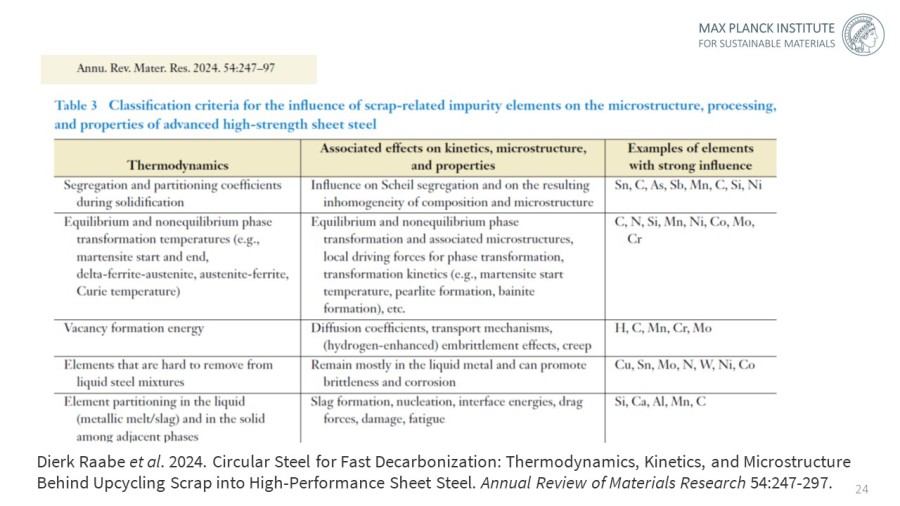
To manage the complex thermodynamics and kinetics of these multi-component, impurity-laden melts, the steel industry must rely on advanced computational modeling. The CALPHAD approach, utilizing comprehensive thermodynamic and mobility databases, is essential for predicting phase equilibria and diffusion kinetics in these highly complex systems. For instance, the Effective Equilibrium Reaction Zone model has been developed to simulate the kinetics of metallurgical processes such as ladle refining. This model divides the system into a bulk liquid steel phase and a bulk slag phase, separated by an effective reaction zone where local equilibrium is assumed to be achieved over a specific time step. By iteratively calculating the equilibrium phase fractions and compositions within this zone and mixing them back into the bulk phases, the model accurately simulates the gradual refinement of the steel. It can predict the flotation of non-metallic inclusions, the desulfurization kinetics driven by slag basicity, and the gradual pickup of silicon from the slag. Crucially, these models confirm that while elements like sulfur and phosphorus can be managed through precise control of the oxygen potential and slag chemistry, noble elements like copper and tin remain entirely unaffected by ladle metallurgy operations, confirming that their concentration can only be managed through upstream sorting or downstream microstructural engineering.
Because of these severe microstructural and processing challenges, the current global steel recycling industry is trapped in a paradigm of downcycling. When a high-performance, multi-alloyed automotive steel sheet reaches the end of its life, it is shredded, melted, and, because its chemical composition is now contaminated and unpredictable, it cannot be recycled back into a high-performance automotive sheet. Instead, it is diluted and downcycled into low-grade, long products like construction rebar, where the strict tolerances for surface quality, formability, and phase transformation kinetics are not required. This downcycling represents a massive thermodynamic and economic inefficiency. The industry is taking a material that was heavily processed, alloyed, and thermo-mechanically treated to achieve a high-value application, and degrading it into a low-value commodity, losing the embodied energy and the valuable alloying elements in the process.
To break this downcycling trap and achieve a truly sustainable, circular steel economy, a fundamental paradigm shift in alloy design is required. For the past century, the development of new steel grades has been driven primarily by chemical tuning. To achieve higher strength, more carbon, manganese, or chromium was added; to achieve better toughness, nickel or molybdenum was adjusted. This resulted in hundreds of highly specialized, chemically complex alloys, each with a narrow, strict compositional window. This chemical complexity is fundamentally incompatible with the reality of post-consumer scrap. The future of scrap-compatible steel design must abandon the pursuit of chemical complexity and instead embrace microstructural complexity. This is the philosophy of the uni-alloy, or crossover alloy concept.
The uni-alloy concept proposes the development of a chemically simple, highly impurity-tolerant base steel, typically relying on the lean Fe-C-Mn-Si system. This base alloy is designed specifically to act as a universal acceptor for the diverse, contaminated streams of post-consumer scrap. It contains only a few essential elements, carefully selected to minimize detrimental interactions with common tramp elements. Instead of relying on chemical variations to create different grades of steel, the uni-alloy concept relies entirely on microstructural variations achieved through precise thermo-mechanical processing and heat treatment. Steel is unique among structural materials in its extraordinary ability to form a vast cosmos of microstructures from a simple chemical base. From a single, chemically lean iron-carbon-manganese-silicon alloy, the metallurgist can generate soft, deep-drawing ferritic sheets, high-strength dual-phase steels, ultra-ductile transformation-induced plasticity steels, and ultra-hard martensitic steels, simply by altering the cooling rates, the rolling temperatures, and the annealing cycles.
This microstructural design approach is particularly evident in the development of Advanced High Strength Steels utilizing the Transformation-Induced Plasticity and Twinning-Induced Plasticity mechanisms. In these steels, the mechanical properties are not derived from expensive alloying additions, but from the mechanical stability of retained austenite. The stacking fault energy of the austenite phase, which dictates whether the material will deform by dislocation glide, mechanical twinning, or strain-induced martensitic transformation, is exquisitely tuned by the manganese and carbon content. By carefully designing the intercritical annealing cycles, the metallurgist can stabilize a specific volume fraction of retained austenite at room temperature. During the forming operation, the mechanical energy drives the transformation of this metastable austenite into martensite, providing immense work hardening and delaying necking. The presence of tramp elements like copper and nickel can actually be leveraged in this context; both are austenite stabilizers and can be accounted for in the thermodynamic models used to tune the stacking fault energy and the martensite start temperature. By shifting the design paradigm from chemical tuning to microstructural tuning, the industry can create a family of high-performance sheet steels that are entirely agnostic to the fluctuations in scrap chemistry.
However, the successful implementation of the uni-alloy concept and the mitigation of tramp element effects require a massive upgrade in the pre-processing and sorting of scrap. The metallurgical countermeasures described above must be supported by the ability to separate materials before they ever reach the electric arc furnace. The future scrap yard must transition from simple magnetic separation to a highly automated, data-driven sorting facility equipped with advanced sensor networks. Technologies such as Laser-Induced Breakdown Spectroscopy allow for the real-time, non-destructive chemical analysis of individual pieces of scrap on a high-speed conveyor belt. Coupled with artificial intelligence and machine vision algorithms, these systems can identify and separate not just ferrous from non-ferrous metals, but specific alloy families from one another. This composition-specific sorting enables closed-loop, alloy-to-alloy recycling. If the industry can separate the stainless steel scrap from the carbon steel scrap, the catastrophic contamination of carbon steels with nickel and chromium is prevented. If the copper-rich electrical components can be separated from the steel body panels before shredding, the copper load entering the melt is drastically reduced.
The integration of advanced sorting with the metallurgical ingenuity of uni-alloy design, interface engineering, and computational thermodynamics represents the scientific foundation of the circular steel economy. This transition is not merely an engineering challenge; it is a profound scientific endeavor that requires a rigorous, physics-based understanding of impurity thermodynamics, segregation kinetics, and microstructural evolution. The industry is moving away from an era where it could afford to extract pure elements from the earth, use them once, and discard them. It is entering an era where it must master the thermodynamics of impurities, the kinetics of interfacial segregation, and the art of microstructural design to breathe new life into the complex, multi-component alloys of the past. Every time a contaminated, mixed scrap melt is successfully upcycled into a high-performance, safety-critical automotive sheet steel, it demonstrates the triumph of physical metallurgy over entropy. It proves that with a deep, fundamental understanding of the atomic world, the industry can build a sustainable infrastructure that does not require the constant destruction of the natural environment, forging the metallurgical foundation of a sustainable future in the electric arc and tuning it at the atomic scale.
 Druckversion